Since this page is automatically translated by the machine, it may be less accurate than human being's work.
Gwangsan-gu, Gwangju City_Status of single-person households_by age_by dong
We are providing you with current data on single-person households (single-person households) in Gwangsan-gu, Gwangju Metropolitan City. In addition to the total number of single-person households aggregated by each administrative district, we also provide detailed information on the number of male and female populations. This will be used as basic data for policymaking, welfare service planning, creating safe and secure communities, and preventing isolation, and will enable customized support and infrastructure deployment concentrated in areas with a relatively high number of single-person households. Based on this information, local governments can analyze the characteristics and living conditions of single-person households and build various social safety nets such as operating community programs to alleviate isolation, supporting living safety, and preventing drinking and health problems. In addition, research institutes and civic groups will also be able to analyze the current status of single-person households by generation, such as youth, middle-aged, and elderly, and provide useful data for policy proposals tailored to the lifestyles and needs of each age group.
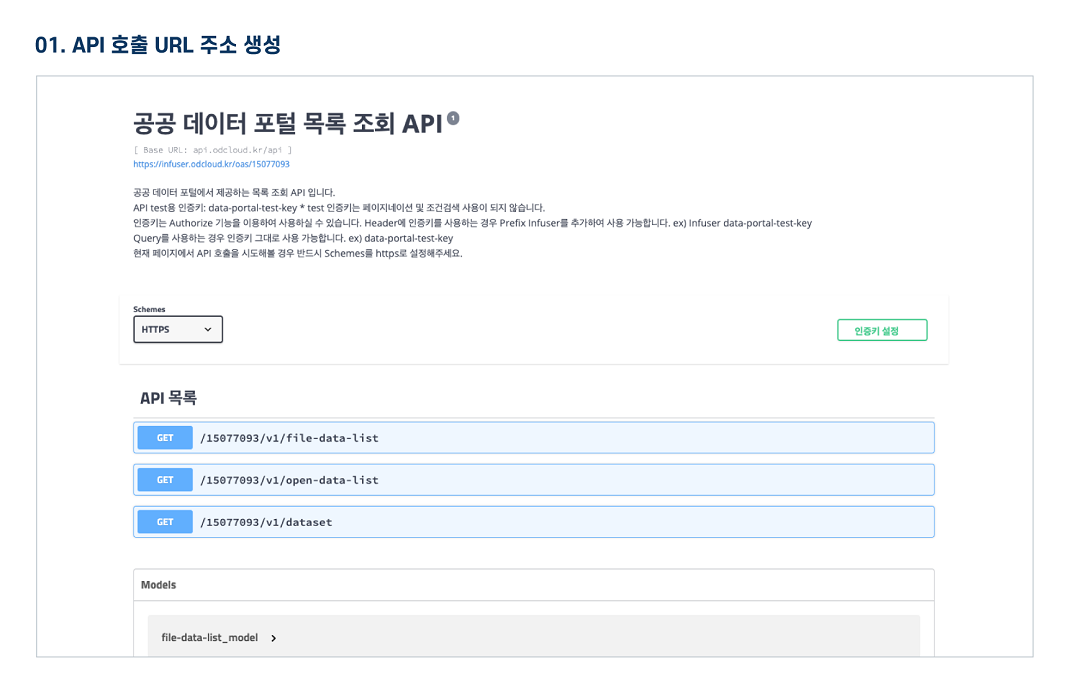
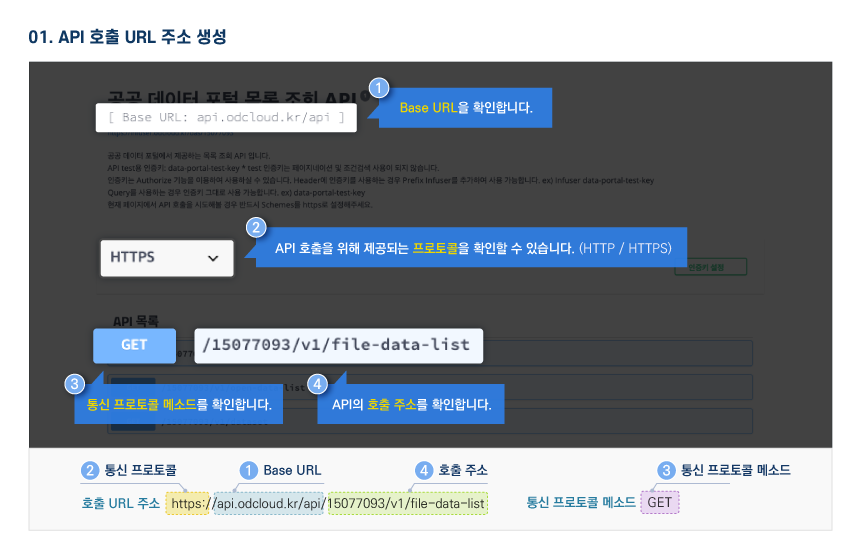
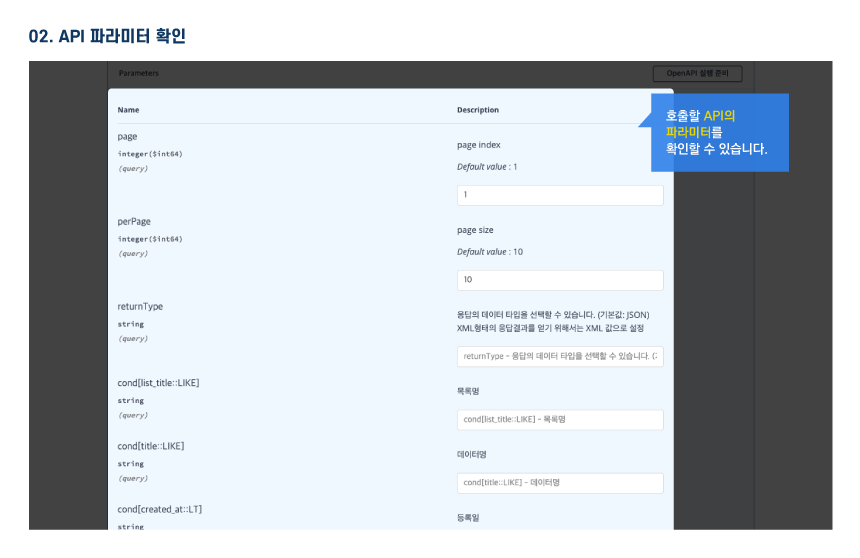
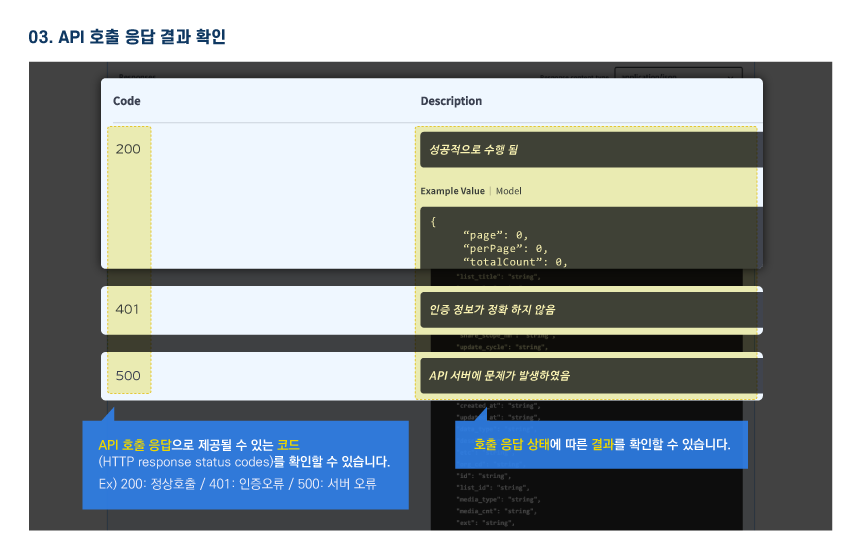
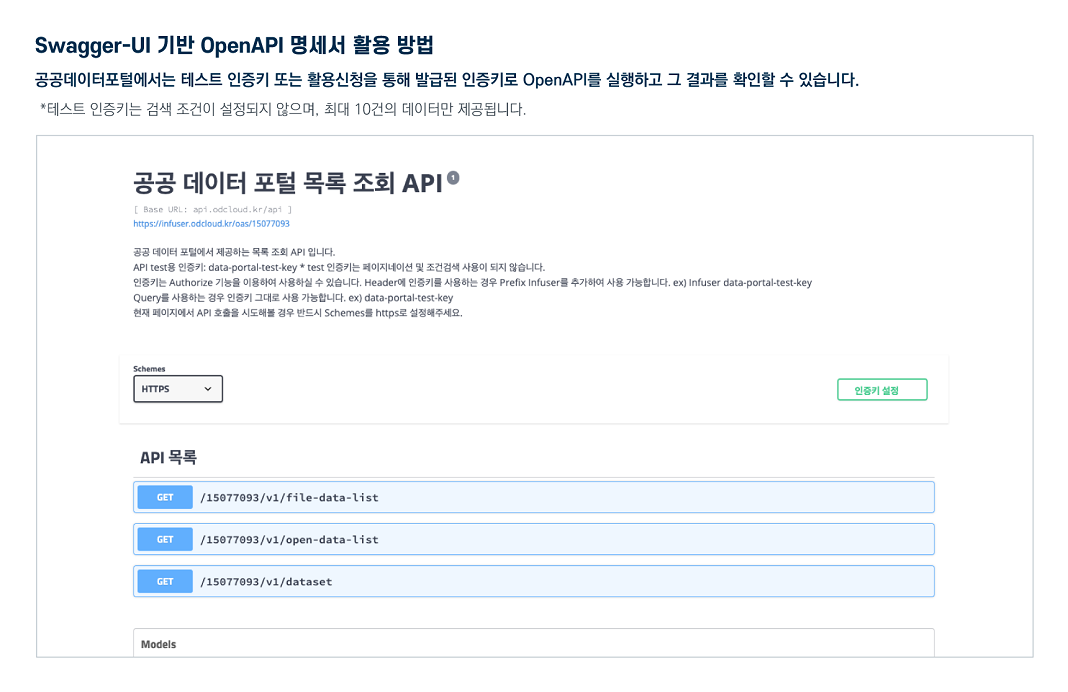
The Public Data Utilization Support Center automatically converts and provides open-format file data of three or more steps open to public data portals into open APIs (RestAPI-based JSON/XML).
To use the open API, you need to sign up for a public data portal membership and apply for utilization. For inquiries about utilization, please contact the Public Data Utilization Support Center.
File data can be used by downloading without logging in.
To use the open API, you need to sign up for a public data portal membership and apply for utilization. For inquiries about utilization, please contact the Public Data Utilization Support Center.
File data can be used by downloading without logging in.
Gwangsan-gu, Gwangju City_Status of single-person households_by age_by dong
File data information Download metadata Provides schema.org based metadata.
The Public Data Utilization Support Center automatically converts and provides open-format file data of three or more steps open to public data portals into open APIs (RestAPI-based JSON/XML).
To use the open API, you need to sign up for a public data portal membership and apply for utilization. For inquiries about utilization, please contact the Public Data Utilization Support Center.
File data can be used by downloading without logging in.
To use the open API, you need to sign up for a public data portal membership and apply for utilization. For inquiries about utilization, please contact the Public Data Utilization Support Center.
File data can be used by downloading without logging in.
Gwangsan-gu, Gwangju City_Status of single-person households_by age_by dong
Open API Information Download metadata Provides schema.org based metadata.
| Service | Gwangsan-gu, Gwangju City_Status of single-person households (by age, by dong)_20210731 | ||
|---|---|---|---|
| Classification System | General Public Administration - National statistics | Provider | |
| Management Agency | Public Data Utilization Support Center | Management agency phone number | 1566-0025 |
| Basis For Retention | Collection Method | ||
| Update Cycle | yearly | Next Enrollment Date | 2026-04-01 |
| Media Type | Text | Whole Row | 212 |
| Extension | XML, JSON | Application For Use | 1 |
| Data Limit | Keyword | Single person household,Resident status,current situation,Furniture status,statistics,Single-family home | |
| Enrollment | 2024-04-22 | Correction | 2025-06-30 |
| Form Of Provision | Download from open data Portal (the original text file registration) | ||
| Explanation | We are providing you with current data on single-person households (single-person households) in Gwangsan-gu, Gwangju Metropolitan City. In addition to the total number of single-person households aggregated by each administrative district, we also provide detailed information on the number of male and female populations. This will be used as basic data for policymaking, welfare service planning, creating safe and secure communities, and preventing isolation, and will enable customized support and infrastructure deployment concentrated in areas with a relatively high number of single-person households. Based on this information, local governments can analyze the characteristics and living conditions of single-person households and build various social safety nets such as operating community programs to alleviate isolation, supporting living safety, and preventing drinking and health problems. In addition, research institutes and civic groups will also be able to analyze the current status of single-person households by generation, such as youth, middle-aged, and elderly, and provide useful data for policy proposals tailored to the lifestyles and needs of each age group. | ||
| Other Notes | |||
| Payment | free | Charge Standard And Unit | Case |
| Scope Of Use | The use permission range limitless | ||
Usage Specification