Since this page is automatically translated by the machine, it may be less accurate than human being's work.
Seongnam-si, Gyeonggi-do_Population and Generation_Status
This is the population status by dong and gender in Seongnam City, and it consists of total population, 19 years old and over, 65 years old and over, number of households, and excluded nationals. Seongnam City is a representative self-sufficient city located in the southeastern part of the metropolitan area, and has a high population density in the country. In addition, the proportion of single-person households is steadily increasing. This population and household status is used as basic data for administrative demand forecasting, welfare policy establishment, urban planning, etc., and it is a time when customized responses are needed for balanced development between regions. In addition, the foreign population, youth migration, and aging rate are also key indicators that should be paid attention to.
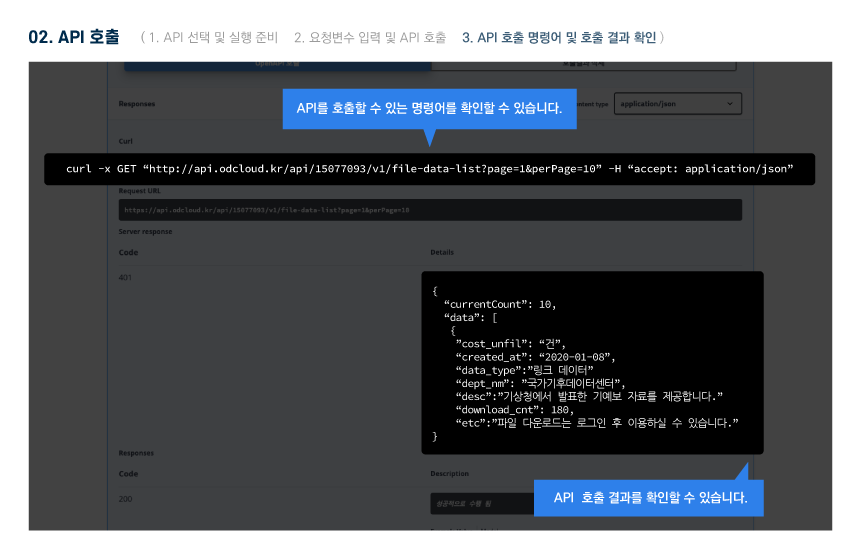
The Public Data Utilization Support Center automatically converts and provides open-format file data of three or more steps open to public data portals into open APIs (RestAPI-based JSON/XML).
To use the open API, you need to sign up for a public data portal membership and apply for utilization. For inquiries about utilization, please contact the Public Data Utilization Support Center.
File data can be used by downloading without logging in.
To use the open API, you need to sign up for a public data portal membership and apply for utilization. For inquiries about utilization, please contact the Public Data Utilization Support Center.
File data can be used by downloading without logging in.
Seongnam-si, Gyeonggi-do_Population and Generation_Status
File data information Download metadata Provides schema.org based metadata.
The Public Data Utilization Support Center automatically converts and provides open-format file data of three or more steps open to public data portals into open APIs (RestAPI-based JSON/XML).
To use the open API, you need to sign up for a public data portal membership and apply for utilization. For inquiries about utilization, please contact the Public Data Utilization Support Center.
File data can be used by downloading without logging in.
To use the open API, you need to sign up for a public data portal membership and apply for utilization. For inquiries about utilization, please contact the Public Data Utilization Support Center.
File data can be used by downloading without logging in.
Seongnam-si, Gyeonggi-do_Population and Generation_Status
Open API Information Download metadata Provides schema.org based metadata.
| Service | Gyeonggi-do Seongnam City_Population and Household Status_20251130 | ||
|---|---|---|---|
| Classification System | General Public Administration - General administration | Provider | |
| Management Agency | Public Data Utilization Support Center | Management agency phone number | 1566-0025 |
| Basis For Retention | Collection Method | ||
| Update Cycle | monthly | Next Enrollment Date | 2026-01-07 |
| Media Type | Text | Whole Row | 50 |
| Extension | XML, JSON | Application For Use | 11 |
| Data Limit | Keyword | population,Number of generations,Overseas Koreans,furniture,population distribution,population | |
| Enrollment | 2025-12-02 | Correction | 2025-12-02 |
| Form Of Provision | Download from open data Portal (the original text file registration) | ||
| Explanation | This is the population status by dong and gender in Seongnam City, and it consists of total population, 19 years old and over, 65 years old and over, number of households, and excluded nationals. Seongnam City is a representative self-sufficient city located in the southeastern part of the metropolitan area, and has a high population density in the country. In addition, the proportion of single-person households is steadily increasing. This population and household status is used as basic data for administrative demand forecasting, welfare policy establishment, urban planning, etc., and it is a time when customized responses are needed for balanced development between regions. In addition, the foreign population, youth migration, and aging rate are also key indicators that should be paid attention to. | ||
| Other Notes | |||
| Payment | free | Charge Standard And Unit | Case |
| Scope Of Use | The use permission range limitless | ||
Usage Specification