Since this page is automatically translated by the machine, it may be less accurate than human being's work.
Status of single-person households by administrative district in Gangseo-gu, Seoul
This data provides information on single-person households by administrative district in Gangseo-gu, Seoul. It includes the year, administrative district, and number of single-person households. This data reflects the changing demographics and diversification of lifestyles within the city, and is particularly useful in developing various policies, such as those addressing the growing demand for small housing and addressing social isolation. Year-to-year comparisons are also useful for diagnosing population structure changes and regional imbalances. Because the increase in single-person households impacts various areas, including welfare, safety, housing, and healthcare, this data can serve as a foundation for policies supporting isolated households, providing customized housing, and designing community spaces. Furthermore, it can be used to analyze the correlation between population density and housing characteristics, playing a key role in developing precise regional administrative plans.
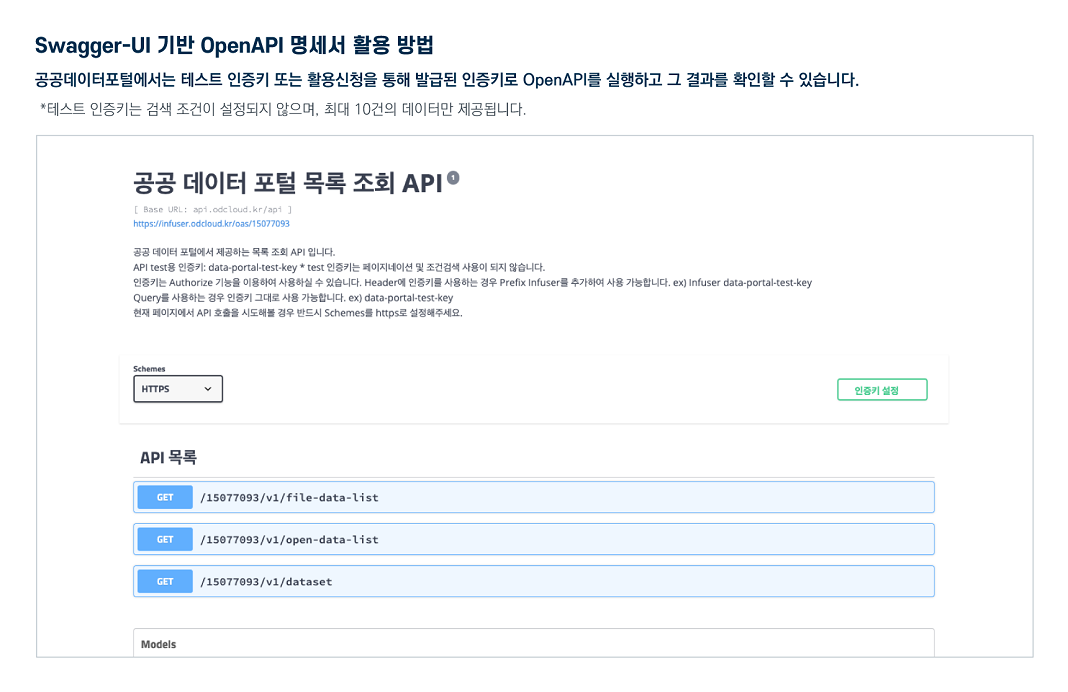
The Public Data Utilization Support Center automatically converts and provides open-format file data of three or more steps open to public data portals into open APIs (RestAPI-based JSON/XML).
To use the open API, you need to sign up for a public data portal membership and apply for utilization. For inquiries about utilization, please contact the Public Data Utilization Support Center.
File data can be used by downloading without logging in.
To use the open API, you need to sign up for a public data portal membership and apply for utilization. For inquiries about utilization, please contact the Public Data Utilization Support Center.
File data can be used by downloading without logging in.
Status of single-person households by administrative district in Gangseo-gu, Seoul
File data information Download metadata Provides schema.org based metadata.
The Public Data Utilization Support Center automatically converts and provides open-format file data of three or more steps open to public data portals into open APIs (RestAPI-based JSON/XML).
To use the open API, you need to sign up for a public data portal membership and apply for utilization. For inquiries about utilization, please contact the Public Data Utilization Support Center.
File data can be used by downloading without logging in.
To use the open API, you need to sign up for a public data portal membership and apply for utilization. For inquiries about utilization, please contact the Public Data Utilization Support Center.
File data can be used by downloading without logging in.
Status of single-person households by administrative district in Gangseo-gu, Seoul
Open API Information Download metadata Provides schema.org based metadata.
| Service | Gangseo-gu, Seoul_Gangseo-gu, Seoul_Status of single-person households by administrative dong_20221025 | ||
|---|---|---|---|
| Classification System | General Public Administration - General administration | Provider | |
| Management Agency | Public Data Utilization Support Center | Management agency phone number | 1566-0025 |
| Basis For Retention | Collection Method | ||
| Update Cycle | Occasional (auto-renew) | Next Enrollment Date | |
| Media Type | Text | Whole Row | 20 |
| Extension | XML, JSON | Application For Use | 3 |
| Data Limit | Keyword | 1 person,population,generation,Housing Statistics,Isolated furniture | |
| Enrollment | 2022-10-25 | Correction | 2025-08-27 |
| Form Of Provision | Download from the engine (providing data URL machinery) | ||
| URL | https://data.seoul.go.kr/dataList/OA-21787/F/1/datasetView.do | ||
| Explanation | This data provides information on single-person households by administrative district in Gangseo-gu, Seoul. It includes the year, administrative district, and number of single-person households. This data reflects the changing demographics and diversification of lifestyles within the city, and is particularly useful in developing various policies, such as those addressing the growing demand for small housing and addressing social isolation. Year-to-year comparisons are also useful for diagnosing population structure changes and regional imbalances. Because the increase in single-person households impacts various areas, including welfare, safety, housing, and healthcare, this data can serve as a foundation for policies supporting isolated households, providing customized housing, and designing community spaces. Furthermore, it can be used to analyze the correlation between population density and housing characteristics, playing a key role in developing precise regional administrative plans. | ||
| Other Notes | |||
| Payment | free | Charge Standard And Unit | Case |
| Scope Of Use | The use permission range limitless | ||
Usage Specification