Since this page is automatically translated by the machine, it may be less accurate than human being's work.
Korea Customs Service_Export/Import Performance by Item (GW)
These statistics are compiled by country and product by HS Code (2-digit, 4-digit, 6-digit, and 10-digit). Import and export trade statistics, by definition, refer to the exchange of goods between the national economy and other countries. They record all goods that are brought into (import) or taken out (export) from a country's economic territory and thereby increase or decrease the country's material resources. Goods simply passing through a country (transit goods) or temporarily imported or exported do not increase or decrease the country's material resources and are therefore not included in trade statistics. The trade statistics area, which serves as the basis for compiling these statistics, is determined by geographical, administrative, and national economic perspectives. In most countries, including Korea, the customs territory, which refers to the area to which customs laws apply, is conceptually identical to the trade statistics area. Therefore, trade statistics encompass the exchange of goods beyond the customs territory. In Korea, imports are calculated based on the CIF value, and exports are calculated based on the FOB value. The HS Code is an international commodity classification system that assigns a unique number to every product. Data from the previous month is updated around the 15th of each month to reflect changes, such as corrections or cancellations, in export and import declarations. The cycle is one month. Weight is expressed in net weight (kg), and value is based on imports (dutiable value in US dollars) and exports (declared value in US dollars).
※ Application for use is only available on the PC version.
About OpenAPI
Download metadata
Provides schema.org based metadata.
About OpenAPI
Download metadata
Provides schema.org based metadata.
| Classified | Industry·Trade·Small and Medium Business - Attraction of trade and investment | Provided By | |
|---|---|---|---|
| Department | Department No | ||
| API Type | REST | Data Format | XML |
| Usage | 2435 | Keyword | HS Code,Customs clearance,USA,china,japan,Import and export trade statistics |
| Registered | 2022-05-25 | Edited | 2026-05-22 |
| Payment | free | ||
| Update Cycle | Real-time | Deliberation Type | dev : allow / run : disallow |
| Scope of License | |||
| References | 관세청_공공데이터포털_기술문서(1.품목별국가별수출입실적)-수정v2.docx | ||
Function
- Application for Use Development level : allowed / Operation level : Not allowed
- Available traffic 50000 / Operational account can increase traffic by applying for use case registration
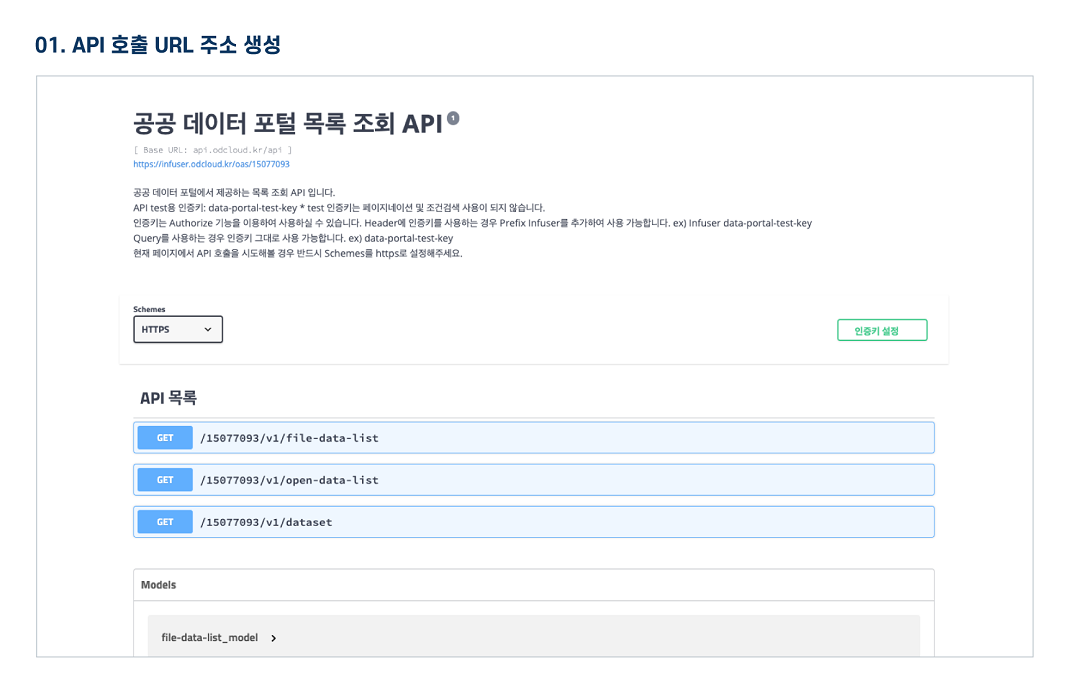
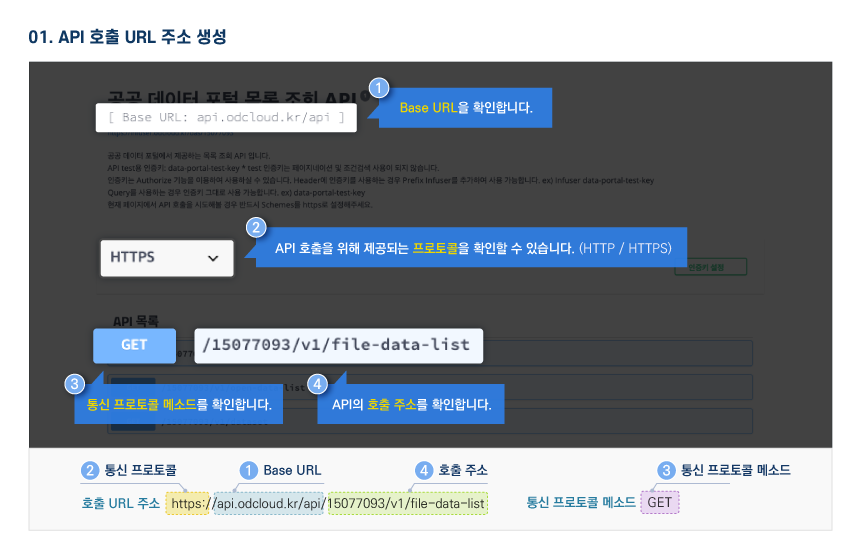
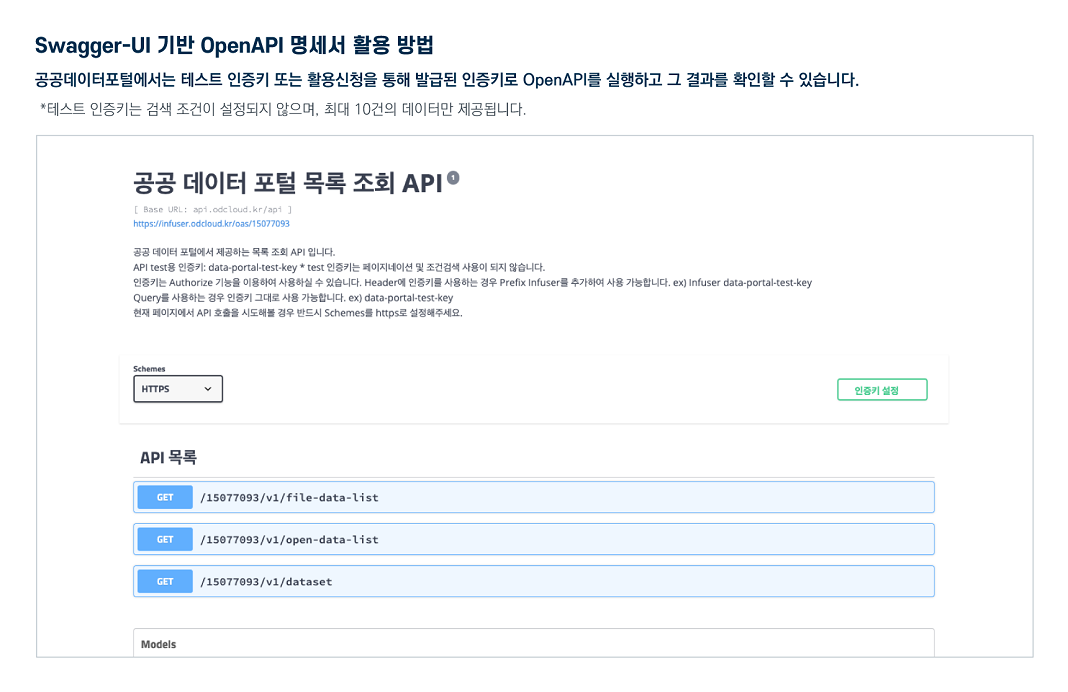
- Requested Link http://apis.data.go.kr/1220000/nitemtrade/getNitemtradeList
- Service URL http://apis.data.go.kr/1220000/nitemtrade
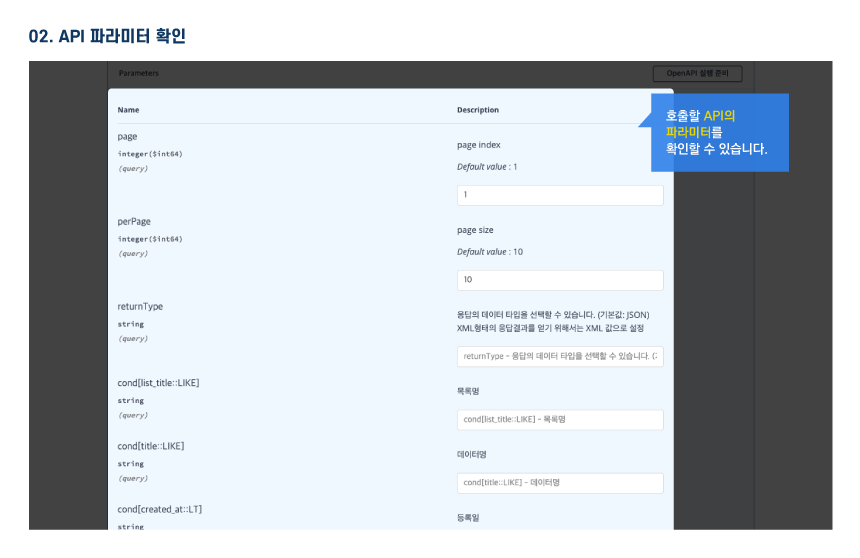
Request Parameter
Request Parameter
| Category(Korean) | Category(English) | Size | Division | Sample Data | Description |
|---|---|---|---|---|---|
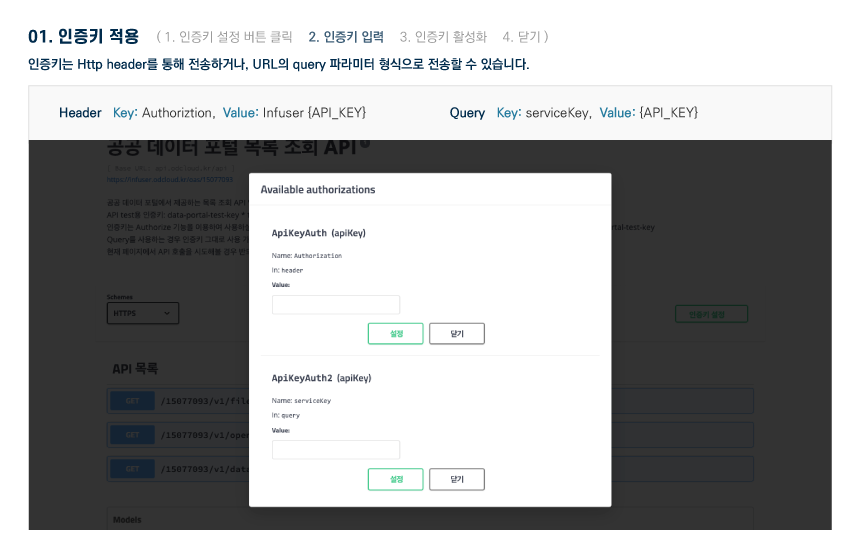
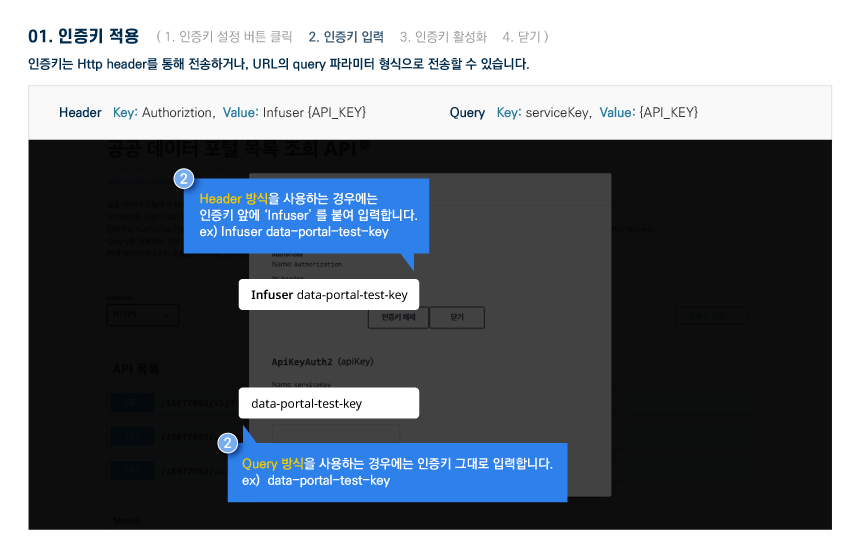
| 서비스키 | serviceKey | 100 | Essential | - | Authentication key received from the Public Data Portal |
| 시작년월 | strtYymm | 6 | Essential | 201601 | Inquiry period within 1 year |
| 종료년월 | endYymm | 6 | Essential | 201601 | Inquiry period within 1 year |
| 품목코드 | hsSgn | 10 | Optional | 1001999090 | Refer to item code |
| 국가코드 | cntyCd | 2 | Essential | US | Refer to country code |
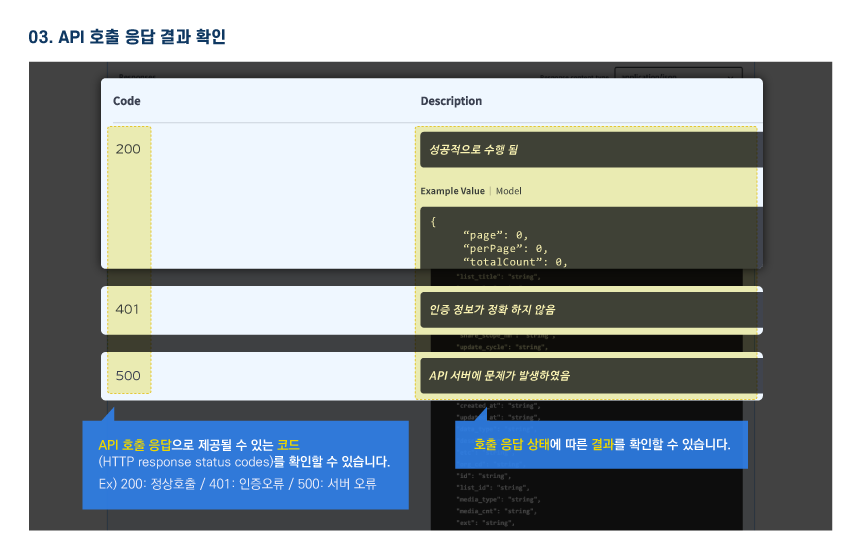
Response Element
Response Element
| Category(Korean) | Category(English) | Size | Division | Sample Data | Description |
|---|---|---|---|---|---|
| 결과코드 | resultCode | 2 | Essential | 00 | Result code |
| 결과메시지 | resultMsg | 50 | Essential | OK | Result message |
| 기간 | year | 7 | Essential | 2016.01 | period |
| 국가명 | statCdCntnKor1 | 9 | Essential | 미국 | Country name |
| 국가코드 | statCd | 5 | Essential | US | Country code |
| 품목명 | statKor | 60 | Essential | 쇠고기(냉동한 것으로 한정한다) | Item Name |
| HS코드 | hsCd | 10 | Essential | 0202 | HS Code |
| 수출중량 | expWgt | 15 | Essential | 18003 | Export weight (kg) |
| 수출금액 | expDlr | 17 | Essential | 150822 | Export amount (dollar) |
| 수입중량 | impWgt | 15 | Essential | 14809834 | Import weight (kg) |
| 수입금액 | impDlr | 17 | Essential | 93754113 | Import amount (dollars) |
| 무역수지 | balPayments | 15 | Essential | -93603291 | Trade balance (dollar) |
Sample Code
Please check the sample code on your PC.